23 May 2026·10:00 AM
Certified CPR Training for Emergency Preparedness
From minor injuries to critical events—know how to respond effectively.

Aabhi ShaiContinence Nurse Specialist
On This Page
Emergency Preparedness Begins with Certification
Being prepared for a cardiac emergency means more than knowing what CPR stands for. It means having the certified skills, current knowledge, and practised technique to act immediately and effectively when it matters most. Certified CPR training gives individuals and organisations the credibility, competence, and confidence to respond to cardiac arrest with authority.
Why Certification Matters
Certified CPR training provides several advantages over informal learning:
Benefits of certification:
- Training is delivered to nationally or internationally recognised standards.
- Techniques are based on the most current evidence-based resuscitation guidelines.
- Certificates are accepted by employers, regulators, and insurers.
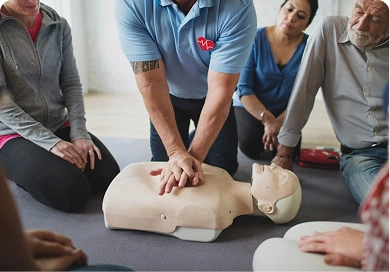
- Hands-on assessment ensures practical competence, not just theoretical knowledge.
- Certification provides legal protection — Good Samaritan laws in many jurisdictions apply to certified first aiders.
For employers:
Many industries are legally required to employ a minimum number of certified first aiders. Ensuring your team holds current CPR certification is not just best practice — it may be a legal obligation.
What Certified CPR Training Includes
Certified courses approved by bodies such as the Resuscitation Council UK or the American Heart Association follow structured curricula that cover:
Curriculum includes:
- Recognition of cardiac arrest, respiratory arrest, and choking in adults, children, and infants.
- Correct technique for CPR compressions and rescue breathing for each age group.
- Automated External Defibrillator operation and safety.
- Management of foreign body airway obstruction.
- Recovery position and ongoing casualty monitoring.
- Documentation and incident reporting obligations.
Levels of CPR Certification
CPR certifications are typically offered at several levels to meet different needs:
Emergency Life Support (ELS):
A short course covering the essentials of CPR and AED use for members of the public and low-risk workplaces. Usually two to four hours.
First Person on Scene (FPOS):
A more comprehensive course for those who may be first responders, covering CPR, AED, airway management, and trauma response. Typically one to two days.
First Aid at Work (FAW):
The most comprehensive workplace certification, covering the full range of first aid skills including CPR, and required in higher-risk work environments. Usually three days with annual refreshers.
Maintaining Your Certification
CPR guidelines are updated periodically as new evidence emerges — typically every five years by the International Liaison Committee on Resuscitation (ILCOR). Recertification ensures your technique reflects the latest standards. Most certifications require renewal every one to three years, depending on the level and provider. Many providers now offer blended learning approaches that combine online theory modules with shorter in-person practical sessions, making recertification more accessible than ever.
Choosing the Right CPR Training Provider
Not all CPR courses are equal. When selecting a provider, look for:
What to look for:
- Accreditation by a recognised body such as the Resuscitation Council UK, British Red Cross, or American Heart Association.
- Qualified instructors with current clinical or emergency response experience.
- Adequate manikin-to-student ratios — ideally one manikin per participant.
- Real-time feedback tools to ensure correct compression technique.
- Clear information about assessment criteria and certificate validity.
Building an Emergency-Ready Organisation
For workplaces, schools, and community organisations, certified CPR training should be embedded in a broader emergency preparedness strategy. This includes maintaining accessible, maintained AEDs on premises, posting clear emergency action plans throughout the building, conducting regular emergency drills, and keeping a log of all certified first aiders and their certification expiry dates.