23 May 2026·10:00 AM
Workplace Safety Practices for a Safer Environment
Practical tips to manage stress and make better decisions when it matters most.

Aabhi ShaiContinence Nurse Specialist
On This Page
The Foundation of a Safe Workplace
A safe workplace does not happen by accident. It is the result of deliberate policy, consistent practice, and an organisational culture that values the wellbeing of every person who enters the building. Effective workplace safety practices protect employees from injury and illness, reduce operational disruption, and demonstrate the kind of ethical leadership that attracts and retains talent.
Conducting Thorough Risk Assessments
Risk assessment is the cornerstone of any effective workplace safety programme. It is the systematic process of identifying hazards, evaluating the likelihood and severity of harm, and implementing controls to reduce risk to an acceptable level.
A robust risk assessment involves:
- Identifying all physical, chemical, biological, ergonomic, and psychosocial hazards.
- Consulting workers who perform the tasks — they often identify risks that managers miss.
- Assessing who could be harmed and how, including vulnerable groups such as new employees and contractors.
- Implementing control measures in priority order: eliminate, substitute, engineer, administrate, PPE.
- Reviewing assessments regularly and after any incident or significant change in working practices.
Safe Systems of Work
A safe system of work is a formal procedure that defines how a task should be carried out safely. It is particularly important for high-risk activities such as working at height, lone working, confined space entry, or the use of hazardous machinery.
Safe systems should be:
- Written in plain language that all workers can understand.
- Based on thorough risk assessment and industry best practice.
- Communicated clearly during induction and task-specific training.
- Displayed at the point of work where practical.
- Reviewed and updated when conditions, equipment, or procedures change.
Key principle:
A safe system of work is only effective if workers follow it consistently. Leadership must model and enforce compliance — not just document it.
Personal Protective Equipment (PPE)
PPE is the last line of defence against workplace hazards — not the first. Where PPE remains necessary, it must be appropriate to the specific risk, correctly fitted to the individual, regularly inspected and maintained, and accompanied by proper training in its correct use and limitations. Common workplace PPE includes safety helmets, high-visibility vests, steel-capped footwear, eye protection, hearing protection, respiratory protective equipment, and chemical-resistant gloves.
Incident Reporting and Investigation
Every incident and near-miss is a signal that something in your safety system is not working as intended.
A strong reporting culture requires:
- Make reporting simple — remove barriers such as complex forms or fear of blame.
- Encourage near-miss reporting as actively as injury reporting.
- Investigate all incidents to identify root causes, not just immediate causes.
- Share lessons learned across the organisation to prevent recurrence.
- Track trends and use data to prioritise safety improvements.
Emergency Preparedness
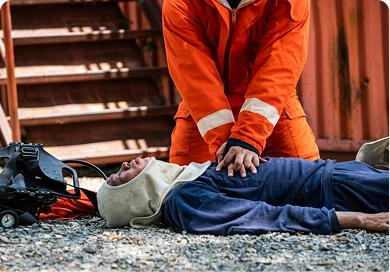
Every workplace must have a clear, practised emergency action plan. This should include evacuation routes and assembly points marked clearly throughout the building, designated fire wardens and first aiders who are trained and regularly refreshed, procedures for medical emergencies and chemical spills, and regular evacuation drills — at minimum annually.
Mental Health and Wellbeing
Workplace safety extends far beyond physical hazards. Work-related stress, anxiety, and burnout account for a significant proportion of long-term absence and reduced productivity. A genuinely safe workplace promotes open conversations about mental health, offers access to Employee Assistance Programmes and occupational health support, trains managers to recognise early signs of mental ill-health, and celebrates a culture of psychological safety where people feel safe to speak up.